When Should You Hire a Fire Damage Claims Adjuster After a House Fire?
September 24, 2026
How Can a Fire Damage Claim Adjuster in Massachusetts Help Maximize Your Insurance Claim?
October 5, 2026How Much Does a Fire Damage Claims Adjuster Cost, and Is It Worth It?
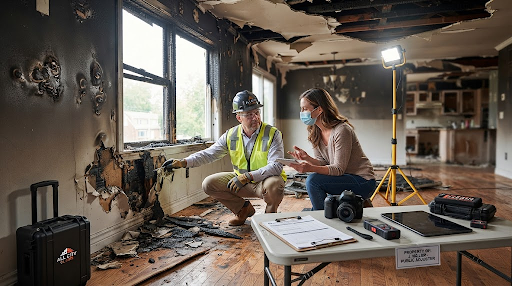
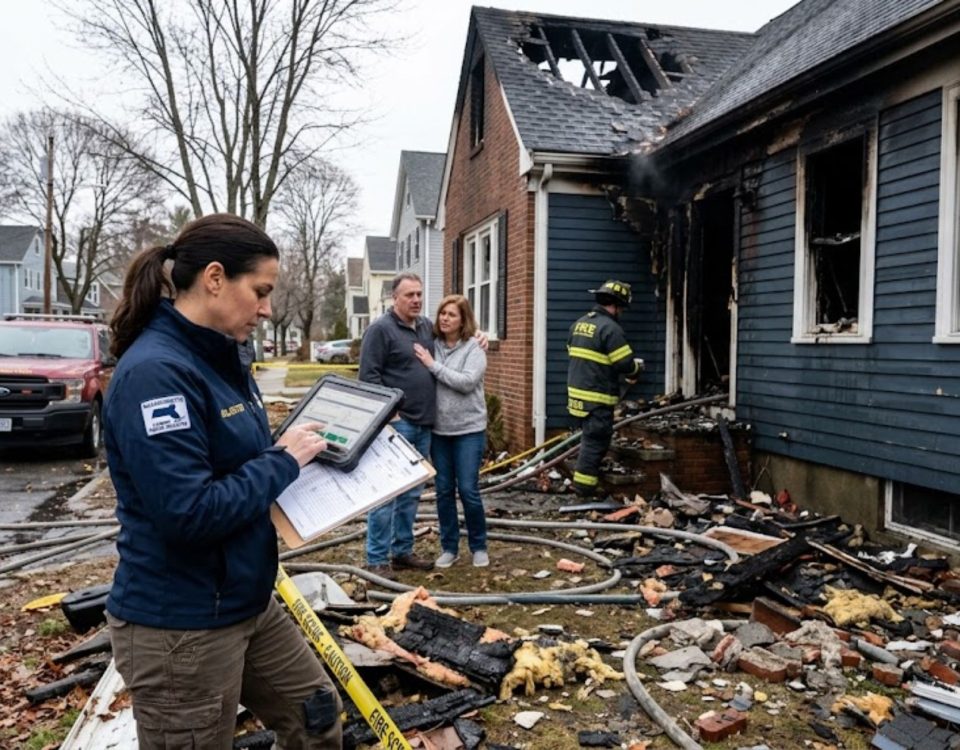
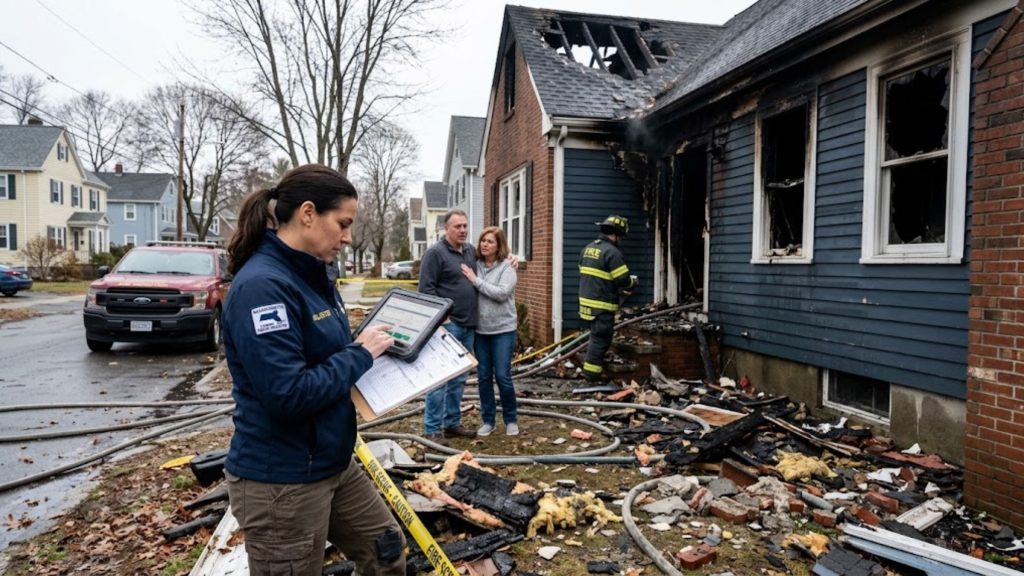
Experiencing a property fire is one of the most devastating moments a family or business owner can ever endure, leaving behind structural wreckage and overwhelming insurance paperwork. When you stand amidst the soot and ash trying to understand your insurance policy, it feels like deciphering a foreign language while under severe emotional distress. Insurance carriers dispatch their own adjusters to inspect the property, but these corporate professionals represent the financial interests of the insurance company rather than your personal recovery. Hiring an experienced fire damage claims adjuster becomes essential to level the playing field, protect your policyholder rights, and ensure you secure a fair settlement. Many property owners hesitate to bring in professional assistance because they worry about unexpected expenses or whether the investment will genuinely pay off. Understanding fee structures and evaluating the true value of representation helps you make a confident decision during a very stressful time.
How Much Does a Fire Damage Claims Adjuster Cost?
When researching professional help, property owners frequently investigate standard fire damage claims adjuster fee models to determine what fits their financial situation. The vast majority of licensed independent advocacy professionals operate on a contingency fee arrangement rather than demanding steep upfront hourly retainers. Under this model, the advocate earns an agreed percentage of the final settlement payout recovered from your insurance carrier. This structure aligns interests because your representative only collects payment when you successfully receive your insurance funds.
Typical contingency percentages range between ten and twenty percent of the total insurance recovery, depending on regional regulations and loss complexity. For instance, if your insurer settles a residential claim for one hundred thousand dollars with a twelve percent agreement, the advocate receives twelve thousand dollars for comprehensive negotiation services. Certain states enforce strict legal caps on these percentages to protect consumers during declared disasters or state emergencies. To learn more about navigating complex property policies, you can explore professional guidance through Marinilli Associates to discover dedicated policyholder advocacy.
Insurance policies differ drastically between residential homes and commercial buildings, making policy nuances critical when calculating potential expenses. Insurance carriers deploy teams of corporate adjusters whose primary objective is minimizing company payout exposure. Independent policyholder advocates counteract this imbalance by conducting exhaustive independent inspections and building bulletproof damage estimates. Weighing the cost of these services against the reality of a denied or underpaid claim proves the clear financial logic of representation.
What Factors Influence Fire Claims Adjuster Fees?
Every property fire is entirely unique, meaning the time, scope, and resources required to document the loss vary dramatically. Several distinct variables directly influence the final cost of retaining professional representation for your insurance claim.
- The total financial value and physical square footage of the property loss dictate administrative workload.
- State laws and local insurance regulations often establish legal caps or standard guidelines regarding maximum charges.
- The timing of when you hire the professional matters, as bringing someone in mid-claim can alter the contracted rate.
- The complexity of structural assessments, smoke mitigation audits, and personal property inventories requires specialized expertise.
Larger commercial properties or severely gutted residential homes demand exhaustive investigative work, structural engineering reports, and meticulous line-item estimates. Because these massive losses require dozens of hours of documentation and fierce negotiation, fee percentages might scale based on work volume. Managing these intricate details requires deep industry knowledge and unwavering commitment to the policyholder’s recovery.
Are Fire Insurance Claim Adjuster Fees Worth the Expense?

Many policyholders experience shock when encountering standard fire insurance claim adjuster fees, wondering if paying a percentage of their payout defeats the purpose. Industry data demonstrates that professional advocates routinely secure significantly higher settlement amounts than what insurance companies initially offer unrepresented owners. If an insurance carrier proposes an initial lowball settlement of forty thousand dollars, accepting it leaves you with insufficient funds to rebuild your home.
When a skilled professional steps in, uncovers hidden structural damages, and negotiates your payout upward to one hundred thousand dollars, the financial dynamic changes completely. Even after deducting a twelve percent fee from the final settlement, you walk away with a much larger net recovery to completely restore your property. Without expert guidance, policyholders frequently miss out on coverage entitlements for temporary housing, smoke remediation, and specialized cleaning protocols. To explore how dedicated advocacy transforms your recovery journey, you can visit our fire damage public adjuster page for specialized recovery solutions.
Evaluating whether these professional fees are worthwhile requires looking closely at the tangible differences in claim outcomes between represented and unrepresented policyholders. Insurance policies are dense legal documents filled with exclusions, endorsements, and strict notification timelines favoring corporate interests. A trained professional knows how to interpret these clauses accurately, neutralizing carrier delay tactics and administrative hurdles. Investing a portion of your recovery into expert representation unlocks thousands of dollars in hidden benefits that would otherwise remain unclaimed.
|
Claim Stage |
Without Professional Advocate | With Professional Advocate |
| Initial Carrier Offer | Lowball estimate ignoring hidden soot |
Comprehensive line-item repair valuation |
|
Personal Inventory |
Basic rushed list missing valuable items | Meticulous room-by-room replacement catalog |
| Final Settlement | Inadequate funds to finish rebuilding |
Maximized recovery covering total restoration |
Understanding Different Payment Models for Fire Claims Adjuster Fees

While contingency agreements represent the most common payment model across the industry, understanding alternative fee structures helps evaluate options transparently. Certain situations or smaller losses prompt professionals to utilize flat fees or hourly rates instead of standard percentage deductions.
- Contingency Fee Structure: You pay nothing upfront, and the professional takes a percentage of recovered funds only after a successful payout.
- Hourly Rate Arrangement: Occasionally utilized for minor consultations, expert witness testimony, or distinct policy review tasks ranging from two hundred to five hundred dollars per hour.
- Flat Fee Pricing: Rarely used for straightforward property damage assessments, providing a fixed predictable cost for limited scope evaluations.
Reviewing your contract carefully before signing ensures you understand every term of the compensation agreement without hidden surprises down the road. Reputable professionals always provide clear, written fee disclosures outlining every potential cost associated with managing your insurance claim from start to finish. If you want to learn more about background credentials, you can read about our team to meet dedicated professionals.
Navigating financial arrangements requires complete transparency between the policyholder and advocacy firm from the very beginning of the engagement. Standard industry contracts should explicitly state what percentage is deducted, how expenses are handled, and what happens if a settlement is reached through litigation or appraisal. Asking critical questions upfront builds trust and ensures you never encounter unexpected billing adjustments during an already stressful recovery period. Knowledge empowers you to select an advocate whose pricing structure aligns perfectly with your financial comfort level and recovery goals.
How to Choose the Right Professional for Your Fire Claim
Selecting the right advocate to guide you through property loss requires careful research, background checks, and direct questions about operational history. You want a seasoned expert who understands local building codes, interprets complex insurance policy language, and possesses a proven track record of success.
- Always verify that the professional holds an active, verified state license issued by your local department of insurance.
- Request references from past clients who experienced similar fire and smoke damage losses in your region.
- Ask whether they handle the entire claims process internally or outsource specialized estimating tasks to third-party vendors.
- Review online ratings, Better Business Bureau profiles, and disciplinary records to confirm professional standing.
Working with an established, trustworthy advocate provides immense peace of mind during a time when your family needs stability and reassurance the most. Taking time to vet options protects you from predatory actors who charge exorbitant rates without delivering tangible results or proper communication. When you are ready to discuss specific details of your property loss, you can connect with our team by visiting our contact page to schedule an initial consultation.
|
Adjustment Phase |
Primary Focus Area | Key Deliverable |
| Investigation | Detailed damage mapping |
Comprehensive loss assessment |
|
Estimation |
Line-item pricing software | Accurate rebuilding budget |
| Negotiation | Carrier dispute resolution |
Maximized final settlement |
Frequently Asked Questions
Do I have to pay anything upfront when hiring a professional adjuster?
Most reputable advocates work strictly on a contingency fee basis, meaning you pay zero dollars upfront and they only get paid after your claim successfully settles.
Can my insurance company drop me or refuse to work with my hired advocate?
No, insurance policies legally permit policyholders to retain qualified professional representation to assist in preparing, presenting, and negotiating property damage claims.
Are state-mandated fee caps applicable during major natural disasters?
Yes, many states implement temporary fee caps ranging between ten and twelve percent during declared emergencies or catastrophic wildfire events to protect vulnerable homeowners.
What happens if my insurance company denies my claim completely?
If an advocate operates on a standard contingency structure and recovers zero funds from your insurance carrier, you owe them nothing for time and investigative efforts.
How soon after a fire should I hire a professional advocate?
Hiring an expert as early as possible yields the best results because they document initial damage before cleanup begins and prevent costly missteps.
Conclusion
In conclusion, investing in a qualified fire damage claims adjuster transforms a frustrating insurance battle into a structured, fair negotiation process. While contingency fees reduce initial payouts slightly, the exponential increase in total settlement funds more than justifies the expense. By choosing a trusted brand like Marinilli Associates, you gain dedicated advocates who fight tirelessly to restore property and peace of mind. Taking proactive steps today ensures your family receives every dollar of coverage rightfully owed under your policy.